Industrial Safety Awareness: People Safety and Productivity Safety.
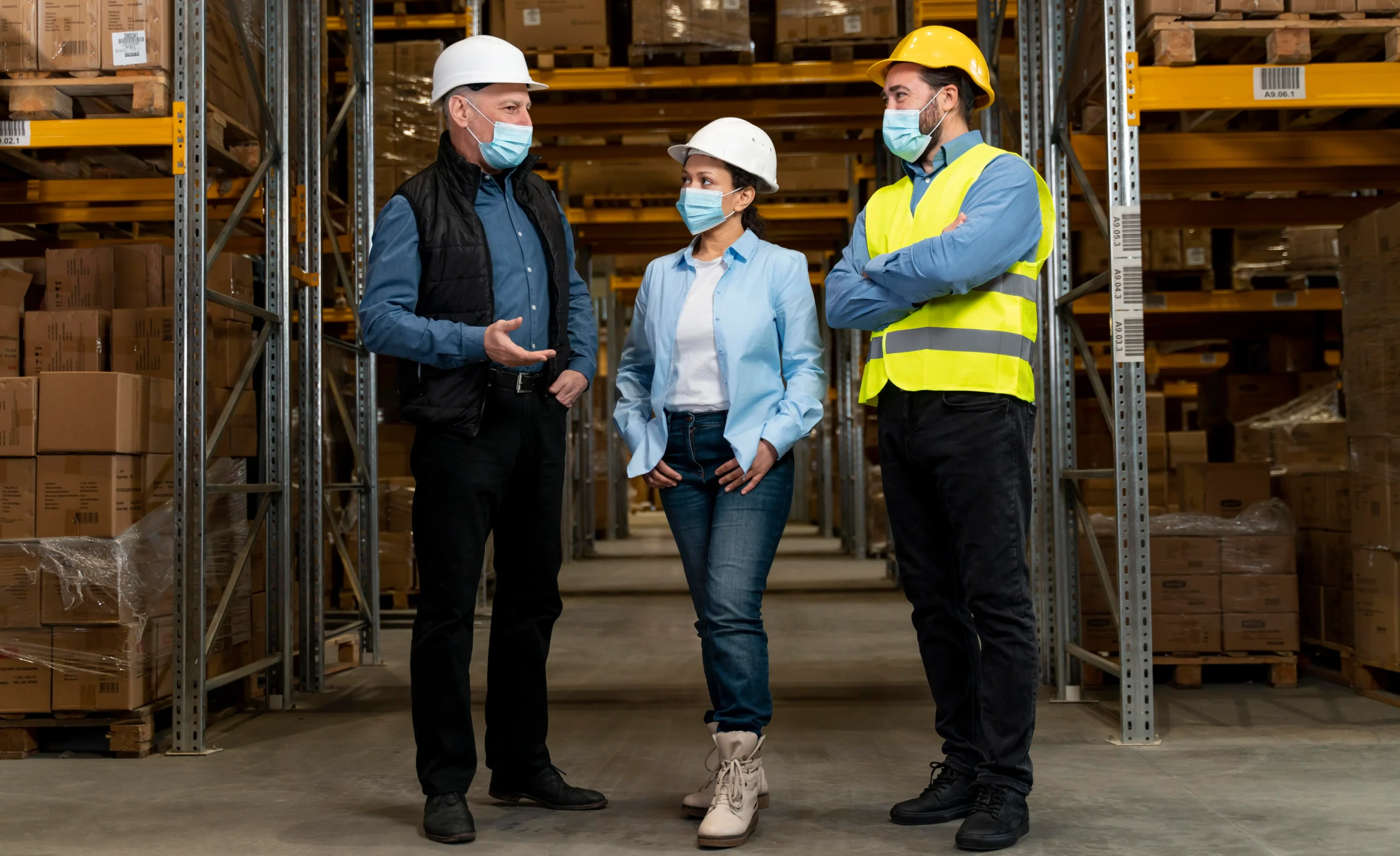
Safety in the industry is a key component in the functioning of facilities which has a direct influence on the individuals and productivity. In each industrial setting, there are dangers associated with machinery, power, motions and materials. By not taking into consideration these risks accidents are bound to happen. Safety consciousness enables companies to detect hazards at an earlier stage. It is always cheap to prevent than to cure.
Experience advanced healing with regenerative therapy Dubai, using cutting-edge stem cells Dubai treatments and effective stem cell therapy Dubai for recovery and wellness.
Most workplace risks get habitual and ignored with time. Slippery floors, clogged aisles and open machinery begin to seem natural. Knowing each other increases carelessness among employees. Such complacency augments the risks of accidents. Cultural consciousness reinstates a culture of vigilance.
Experience advanced healing with regenerative therapy Dubai, using cutting-edge stem cells Dubai treatments and effective stem cell therapy Dubai for recovery and wellness.
Safe industrial environment is always maintained through training. The workers should know how to operate equipment, restrictions, and emergency measures. Even in well maintained facilities, untrained workers commit errors. Knowledge helps to cut down human error. Studies enhance safety compliance generally.
Cases of bad maintenance practices are the major contributors to unsafe conditions. Damaged parts break down without warning and expose individuals to risky circumstances. Electrical defects enhance the risks of fire and injury. Preventive maintenance helps to eliminate system unpredictability. Safety and maintenance should be operating in tandem.
Understandable safety signs enhance the daily behavior at work. The warning labels direct the workers through the dangerous places. Movement control is enhanced by floor markings. Graphical description eases the operations. Decision-making becomes safer with the help of communication.
The issue of emergency preparedness is not properly valued until it happens. The escape routes should be open and well indicated. The alarm systems are to be tested on a regular basis. Drills decrease panic and confusion. Ready-response is a way to save lives and property.
The level of risk awareness enhances the morale of the employees in facilities. Employees will feel special when their comfort is put first. Trust develops in properly controlled environments. Reduced fear improves focus. When individuals are safe, productivity goes up.
Near-miss and incident reporting enhances the safety systems. Minor events portray bigger dangers. Loss of near misses leads to recidivism of the hazard. Responsibility is promoted by transparency. Education averts the future accidents.
The programs on safety need to be ongoing and dynamic. Long term protection cannot be achieved through one time training. Constant reminders remind one of right behavior. Uniformity develops protective behaviors. Safety turns to everyday culture.
Saving individuals eventually saves productivity. The number of disruptions is reduced in safe facilities. Less accidents are associated with efficient operation. Awareness of safety is a strategic competitive edge. Bearing a responsibility creates resilience.